
Safe Use of Lasers in the Workplace
This online course helps laser operators understand hazards, safety controls, legal responsibilities, and best practices for safer daily work in Class 3B/4 environments with confidence.
Open entry—certification for laser safety training evidence for operators.
Did you know that Class 3B and Class 4 lasers are recognised workplace hazards under New Zealand Law? Operators of lasers must understand all potential hazards and risks associated with the use of lasers in their role; this is the responsibility of the PCBU.
Laser Hazard Evaluation
This self-guided course helps operators understand how to evaluate potential hazards and risks when using different types of workplace lasers.
Controlled Laser Environments
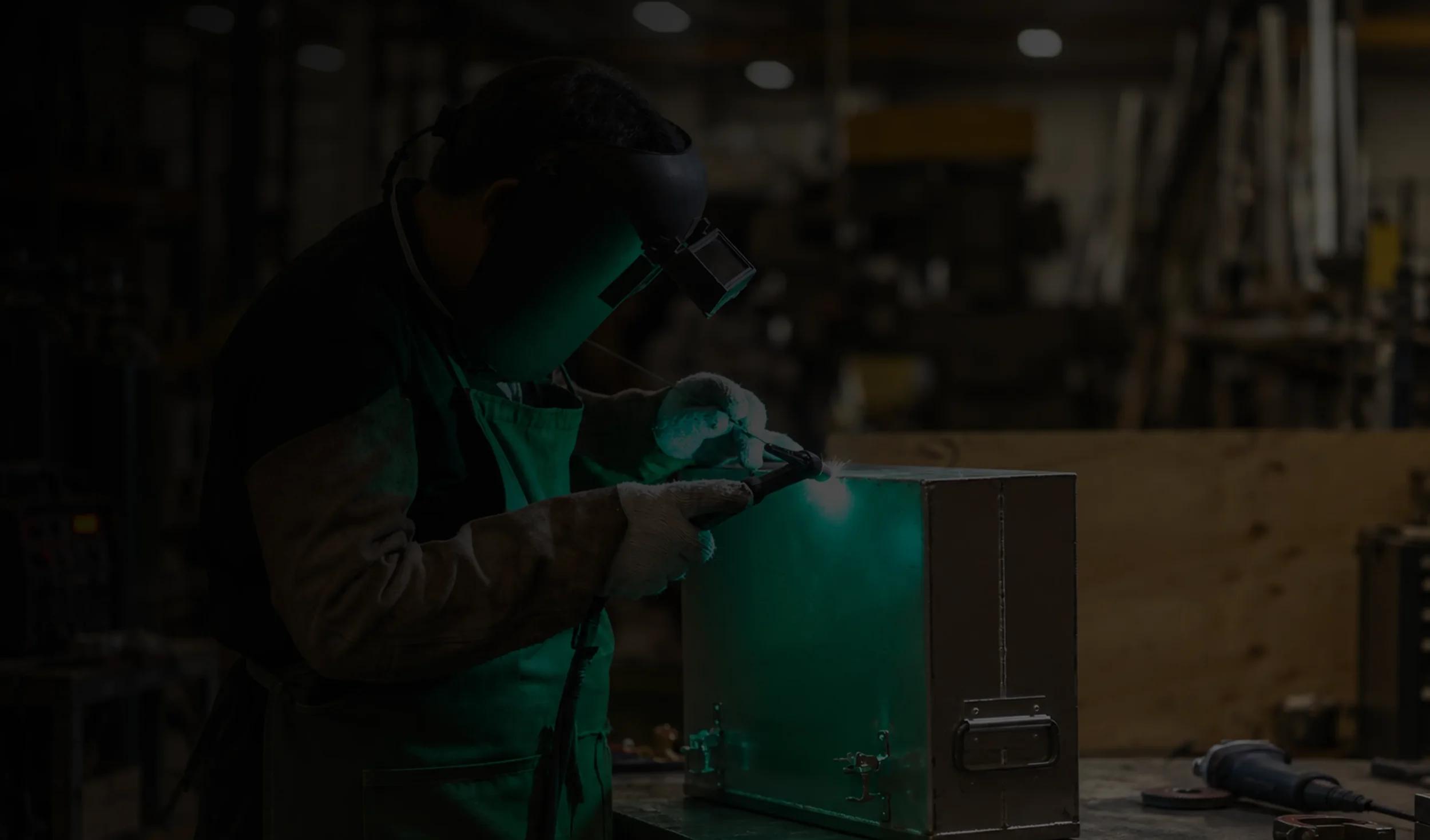
Learn to operate safely within laser-controlled areas, including cleaning, welding, embedded, arborist, manufacturing, and engineering applications.
Standards & Safety Controls
Understand AS/NZS standards, Health and Safety requirements, laser science, hazard awareness, and best-practice controls for safer compliant workplaces.

What Learners Will Gain from This Course

Programme Overview
This theory-based training programme provides the essential knowledge required for safe work practices in laser environments. It supports HR in meeting workplace health and safety obligations, while equipping employees with laser hazard awareness and risk management skills.
The program covers: (as a minimum)
- How laser light is generated and how it behaves
- The three core components of a laser system
- Laser wavelengths, mediums, and classification systems
- Beam and non-beam hazards commonly encountered in the workplace
- The effects of laser exposure on the eyes and body
- Laser hazard control measures to support safe, compliant operations
- Interpret laser safety markings & select appropriate protective eyewear

Learner Outcomes
Key Learning Outcomes:
- Demonstrate an understanding of how laser light is generated and its unique properties
- Explain laser wavelengths, how they are measured, and their practical applications
- Identify different laser mediums and describe how they operate
- Recognise both beam and non-beam hazards and understand how they occur in the workplace
- Identify the parts of the eye most at risk from laser exposure
- Understand laser classification systems and the associated risk levels
- Assess what makes a laser hazardous and how those risks are controlled
- Apply appropriate hazard control measures to protect operators and nearby staff
- Interpret safety markings on laser protective eyewear and select suitable PPE
Frequently Asked Questions About BeamSafe

Have Questions in Mind? Contact Us Today
-
Equip your team with knowledge to safely operate around high-powered lasers: hazards, safe practices, safety standards.
AS/NZS Laser Safety Standards state that anyone using a Class 3B or Class 4 laser SHALL have a trained LSO. Additionally, the Health & Safety Act 2015 makes mention of ‘Officers’ who are people that hold specialised skills and knowledge; they advise the PCBU to reduce their risk of prosecution. Laser is a specialised field, and general Health & Safety trained persons are not necessarily aware of all the potential hazards and control measures. Having a nominated Laser Safety Officer (LSO) means that person can reduce risk and ensure the laser workplace is adhering to and avoiding potential issues under the law. Read a legal take on this as it relates to a recent court case.
-
This LSO certification will teach you what you need to manage high-power lasers, such as: you do not need a LSO at each site. It may make the most sense to have a single nominated LSO for the entire company, as it is not necessarily a full-time position, and then have deputy LSOs around the company’s locations. Those persons can carry out instructions and tasks as part of their normal roles, thereby incorporating the requirements related to laser safety.
-
As a requirement of AS/NZS laser safety standards, the back of the laser should have been marked with its classification label to state specifications and safety reasons.
It might be: Class 3B or Class 4, and should state the wavelength (nm), pulse range, and power range, along with any specifications unique to the device.
If your device is a Class 3B, and in particular a Class 4, you should have a trained Laser Safety Officer (LSO).
Course Details: Study,
Duration, Cost & Certification
Course code
LST #03
$320.00
/ + GST per personIncludes:
Self-paced video lessons, interactive learning materials, a basic downloadable handout notes, support from our team, and a short assessment.
Study:
Flexible online learning, 24/7 access using our e-learning Portal.
Duration:
Complete over a 4-week period, or faster if it suits your schedule.
Certification
An electronic certificate is issued and emailed upon course completion. This certificate is suitable for presenting to your employer, a WorkSafe NZ or Workplace Health & Safety Inspector, or as documented evidence of professional development in laser safety for your CV.
LSO Prerequisite
This course is the pre-requisite for the Laser Safety Officer Certificate. If you are looking to become an LSO for laser cleaning workplace(s), there is a bundle enrolment option during the multiple or manual invoice enrolment below.
Instant Enrolment
Enrol instantly and start your learning today. Please note: price on self-enrolment page includes GST.
Single Enrolment – Start Now →Bundle Enrolment
Select this for multiple trainees or bundle enrolments when paying now. Please allow three working days for processing.
Multiple Enrolment – Pay Now →Invoice Request
Use this option if your company needs an invoice, purchase order, or multiple trainee and course enrolment support.
Manual Invoice Enrolment →
Ready to Build a Safer Laser Workplace Today?
Start online training that helps your team understand risks, controls, compliance, and safety responsibilities clearly.